Smart Card
The goal of this project is to build differentiation by leveraging the card as a medium, using technology and data capabilities to create emotional engagement and stronger connections with our customers.
How did we make it happen?
My role
I was involved in the early stages of this project, where the goal was to determine which personalization elements made sense, when to use them, and to help set the direction for the future of card personalization.
We dug into the data and shared our insights with the Head of Innovation. The benchmark revealed we were a bit late to the game—but it also exposed key mistakes competitors were making that we could avoid. The biggest challenge? Striking the right balance between emotional impact and strategic focus. Personalization had to feel meaningful without compromising the bank’s identity.
Using these insights, we created deliverables that clearly mapped competitor positioning and revealed the personalization patterns they leaned on—everything from materials and colors to imagery and partnerships—laying a strong foundation for our own strategy.
From insights to action
At this stage, we already knew which personalization elements we could include in our strategy. The next step was to see how they could work together, with each one building on the standard card design. We looked at the pros and cons of each element —color, images, generative AI, and animations that use key user data— to make better design decisions.
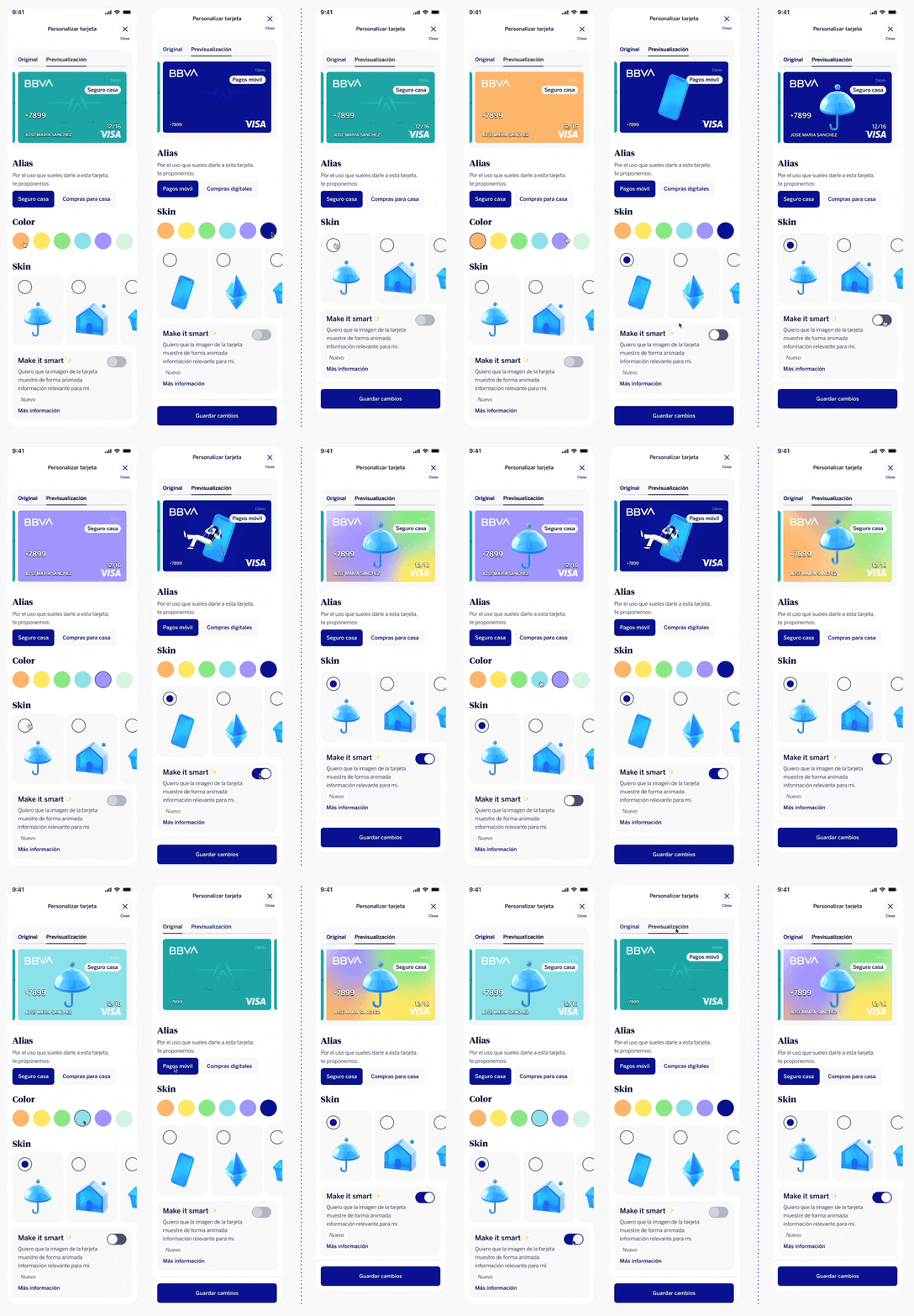
Today, the project continues to move forward, and on this website, you can take a look at the bank's first initiative on its journey toward smart cards.
First things first — we needed to understand where we were starting from. What types of cards did the bank already offer? How were those cards differentiated? And most importantly, what were competitors doing in this space?
We ran a huge benchmark to answer these questions and build a solid foundation for charting the path forward.